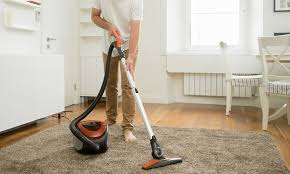
Carpets are an essential part of home décor, providing comfort, warmth, and style. However, they also attract dirt, dust, allergens, and spills that, over time, can degrade their appearance and hygiene. how to deep clean carpet is crucial for maintaining a fresh, healthy living space. This guide will walk you through the best practices and tips to ensure your carpet stays spotless and lasts longer.
Why Deep Cleaning Matters
Regular vacuuming only removes surface dirt, leaving behind embedded particles and bacteria that can affect indoor air quality. According to the Carpet and Rug Institute, a deep cleaning every 12 to 18 months significantly extends carpet life and reduces allergens. Homes with pets and children especially benefit from frequent deep cleaning to combat stains, odors, and allergens.
When to Deep Clean
The frequency depends on foot traffic and usage. For average households, deep cleaning twice a year is recommended. High-traffic areas or homes with pets may require quarterly cleaning. Signs that your carpet needs deep cleaning include persistent odors, visible dirt, and matted fibers.
Methods for Deep Cleaning
1. Hot Water Extraction (Steam Cleaning):
The most popular method, hot water extraction involves spraying hot water mixed with cleaning solution deep into carpet fibers and then extracting it with a powerful vacuum. This process loosens dirt and kills bacteria. According to industry data, steam cleaning removes up to 98% of allergens and bacteria.
2. Dry Carpet Cleaning:
This method uses specialized machines to apply a dry compound that absorbs dirt. The compound is then vacuumed up. It’s ideal for quick cleaning with minimal drying time and works well in commercial spaces.
3. Shampooing:
Carpet shampooing involves applying a foamy detergent, scrubbing it in, and then vacuuming after drying. While effective, it may leave residue if not rinsed properly, attracting dirt faster.
4. Encapsulation:
A modern technique where synthetic detergents crystallize dirt particles into powder when dry. These particles are vacuumed away, resulting in a clean carpet with faster drying times.
Step-by-Step Deep Cleaning Process
1. Prepare the Area
Remove furniture and vacuum thoroughly to eliminate surface debris. Inspect for stains and pre-treat them with appropriate spot cleaners.
2. Choose the Right Cleaner
Select a carpet cleaner suitable for your carpet type—wool, synthetic, or blends—and for the kind of dirt you face, such as pet stains or heavy soil.
3. Deep Clean
Whether using a rented machine or hiring professionals, follow the instructions carefully. For DIY steam cleaning, ensure the water temperature is high enough for effective cleaning but safe for your carpet.
4. Rinse
If your cleaning method requires rinsing, do it thoroughly to remove detergent residue.
5. Dry
Allow your carpet to dry completely. Use fans or open windows to speed up drying and prevent mold growth.
Tips for Maintaining Clean Carpets
• Vacuum high-traffic areas more frequently—ideally 2-3 times a week.
•
• Use doormats to reduce tracked-in dirt.
•
• Address spills immediately to prevent stains.
•
• Consider professional cleaning annually for best results.
•
The Impact of Deep Cleaning on Health
Carpet fibers can harbor dust mites, mold spores, and bacteria that trigger allergies and respiratory problems. The Environmental Protection Agency (EPA) highlights that deep cleaning reduces these health risks by improving indoor air quality. For allergy sufferers, regular deep cleaning can dramatically improve comfort.
Conclusion
Deep cleaning your carpet is more than just a cosmetic fix—it’s an investment in your home’s health and longevity. With evolving technologies like encapsulation and advanced steam cleaners, maintaining a fresh, clean carpet is easier and more effective than ever. Set a cleaning schedule based on your lifestyle and watch your carpet—and your indoor environment—transform.