What is the role of technical analysis in crypto trading?
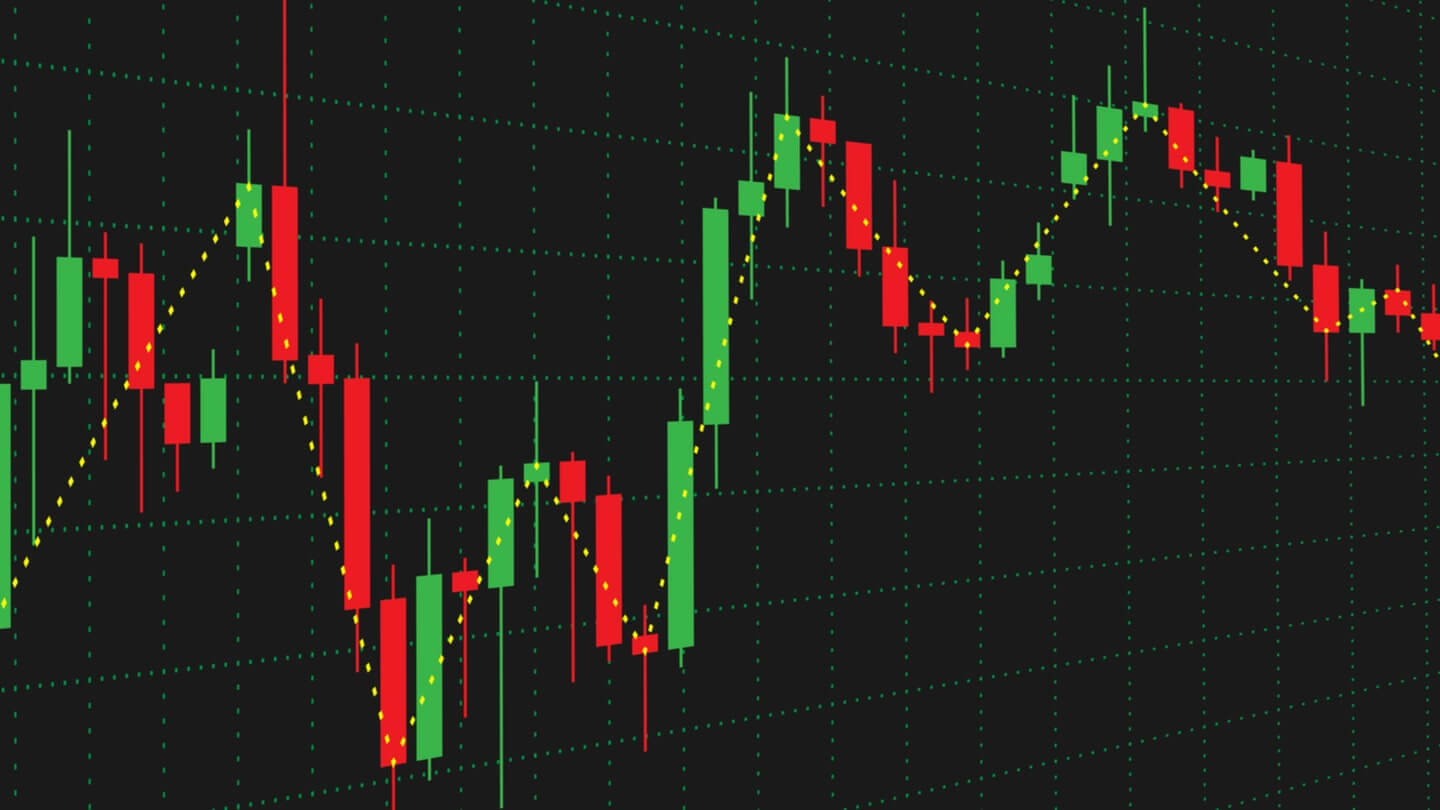
Technical analysis (TA) is a method used to evaluate cryptocurrencies by Crypto Analysis (코인분석) historical price movements, trading volumes, and chart patterns. Traders rely on indicators such as moving averages, RSI (Relative Strength Index) , and MACD (Moving Average Convergence Divergence) to identify potential entry and exit points. TA is particularly effective for short-term trading and spotting trends that may repeat over time.
How does fundamental analysis differ from technical analysis?
Fundamental analysis (FA) focuses on the intrinsic value of a cryptocurrency. It examines factors such as the project’s technology, team, adoption rate, partnerships, tokenomics, and market demand. Unlike TA, which is data-driven and price-focused, FA helps investors assess long-term potential and sustainability, guiding decisions beyond mere price fluctuations.
Why is combining technical and fundamental analysis important?
Relying solely on one approach can be risky. Technical analysis can indicate profitable trade timing, but it doesn’t reveal the long-term viability of a project. Conversely, fundamental analysis highlights promising projects but may not indicate the best time to buy or sell. By integrating both, traders can make informed decisions, balancing short-term opportunities with long-term value assessment.
What is an effective strategy to merge both analyses?
Start with fundamental analysis to shortlist cryptocurrencies with strong potential. Examine metrics such as network activity, developer engagement, market capitalization, and community growth. Once a project passes the fundamental check, apply technical analysis to determine optimal trading windows. For instance, identifying a bullish chart pattern on a fundamentally strong coin can increase the probability of a successful trade.
Are there tools that support combined analysis?
Yes, many platforms now offer integrated tools that provide both technical indicators and fundamental data. Traders can track metrics like on-chain activity, liquidity, social sentiment, and historical price patterns in one dashboard. This combination allows for a comprehensive overview, enabling more accurate predictions and reducing the risk of impulsive decisions.
How does risk management fit into this approach?
Even with combined analysis, risk management remains critical. Set stop-loss and take-profit levels based on technical signals, and diversify your portfolio to avoid overexposure. By blending TA and FA insights with prudent risk controls, traders can navigate market volatility more effectively.
Conclusion:
Merging technical and fundamental crypto analysis creates a balanced trading strategy. Fundamental research ensures you invest in high-potential projects, while technical analysis guides your timing and execution. Together, these approaches provide a robust framework for smarter, data-driven decisions in the dynamic cryptocurrency market.