Real estate has long been considered a powerful vehicle for wealth creation, particularly due to the tax advantages available to investors. Among these strategies, the so-called ” airbnb tax loophole ” has generated significant buzz in financial circles. While the term suggests a way to skirt the system, it is actually a specific application of the tax code regarding short-term rentals (STRs).
However, misinformation abounds regarding how this strategy works and who actually qualifies. To provide clarity, we have broken down the essential facts, time requirements, and regulations that define this investment approach.
Is it actually a loophole?
Technically, no. The strategy refers to a set of exceptions within the IRS Passive Activity Loss (PAL) rules. Generally, rental real estate is classified as a passive activity. This means that losses generated by a long-term rental property can usually only offset passive income, not active income like W-2 wages or business profits.
The exception arises when a property is classified as a short-term rental. According to Treasury Regulation Section 1.469-1T(e)(3)(ii)(A), an activity is not considered a “rental activity” if the average period of customer use is seven days or less. This reclassification opens the door for investors to potentially use property losses to offset their active income, provided they meet specific participation criteria.
What constitutes material participation?
Simply listing a property on a vacation rental platform is not enough to qualify for these tax benefits. An investor must demonstrate “material participation” in the management of the property. Without meeting this standard, any losses remain passive.
To prove material participation, an investor must typically satisfy one of seven tests outlined by the IRS. The two most common benchmarks for short-term rental owners include:
• The 500-Hour Test: The individual works more than 500 hours on the activity during the tax year.
• The 100-Hour Test: The individual works more than 100 hours on the activity during the tax year, and no other individual (including cleaners or property managers) works more hours than they do.
How does the 14-day rule apply?
Another tax concept often confused with the STR loophole is Section 280A(g), colloquially known as the Augusta Rule. This provision allows homeowners to rent out their primary residence for up to 14 days per year without having to report the rental income on their tax return.
While beneficial, the Augusta Rule is distinct from the short-term rental strategy discussed above. The STR strategy focuses on maximizing deductions (often through depreciation) to offset other income, whereas the 14-day rule focuses on tax-free income generation for a very limited duration.
Why is depreciation relevant to this strategy?
The primary engine behind the tax savings in a short-term rental strategy is often depreciation. Through a cost segregation study, investors can accelerate the depreciation of certain building components (like flooring, lighting, and appliances) over shorter timeframes—5, 7, or 15 years—rather than the standard 39 years.
When combined with bonus depreciation, this can create a substantial “paper loss” in the first year of ownership. If the investor meets the seven-day average stay rule and satisfies the material participation tests, this paper loss can be applied against their active income, potentially resulting in significant tax savings.
Navigating Complex Regulations
While the potential tax benefits of short-term rentals are significant, the regulations governing them are strict. Documentation of hours worked, rigorous adherence to the average stay requirements, and accurate depreciation schedules are non-negotiable. Investors considering this path must ensure their strategy aligns with current tax codes to avoid scrutiny.
The Airbnb Tax Loophole: Breaking Down What’s True and What Isn’t
Categories:
Related Post
Tips and Tricks to Score Big in Jalwa GameTips and Tricks to Score Big in Jalwa Game
Jalwa Game has quickly captured the attention of new and seasoned players alike thanks to its exciting gameplay and rewarding features. Scoring big in this Jalwa Game is not just
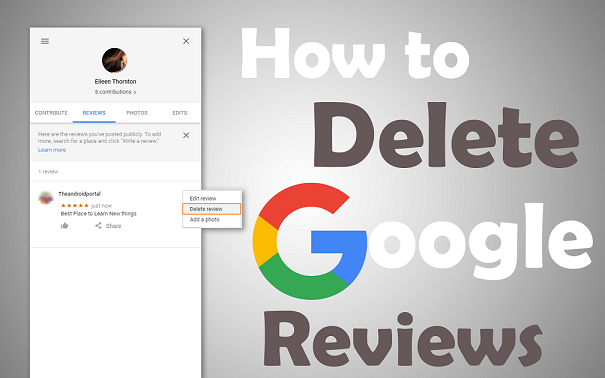
Make Negative google reviews Disappear Quickly and EasilyMake Negative google reviews Disappear Quickly and Easily
Obtaining a negative delete negative google reviews is all businesses owner’s horror. Not only is it a open public indictment of your organization, but it may also prevent potential prospects
The Best Places to Experience a Silent Disco in Oslo This YearThe Best Places to Experience a Silent Disco in Oslo This Year
Oslo has become a hotspot for unique and immersive nightlife experiences, and silent discos are at the forefront of this trend. The city offers a variety of venues that provide